
led shaving mirror
Precision Measuring Tools A Cornerstone of Accuracy in Various Industries In a wide array of industries, precision measuring tools serve as the backbone of operational accuracy and quality control . Whether in manufacturing, engineering, construction, or scientific research, the need for precise measurements cannot be overstated. These tools ensure that products meet regulations, operate effectively, and maintain safety standards. Precision measuring tools encompass a variety of instruments designed to provide exact measurements of dimensions, weight, temperature, and other metrics. Common examples include calipers, micrometers, gauge blocks, and laser measuring devices. Each tool is engineered for specific applications, making it crucial for professionals to select the right instrument for their particular needs. One of the most widely used tools is the caliper, which allows for both internal and external measurements with remarkable accuracy. Digital calipers have further enhanced usability by providing easy-to-read measurements on a digital display. These tools are particularly valuable in manufacturing where tight tolerances are critical to ensure that parts fit together properly. precision measuring tools Micrometers, on the other hand, are designed for even more precise measurements typically in the range of millimeters or inches. Known for their ability to measure small dimensions with exceptional accuracy, micrometers are indispensable in quality control processes within production lines. Laser measuring devices have revolutionized the field of measurement in recent years. By utilizing laser technology, these tools achieve distance measurements with a high degree of accuracy and speed, making them ideal for construction and surveying applications. No longer constrained by the limitations of traditional tape measures, professionals can now quickly gather data in large areas, significantly improving workflow efficiency. Quality management is another area that heavily relies on precision measuring tools. Accurate measurements are vital for adherence to quality standards, ensuring that products function as intended and meet customer expectations. Regular calibration of measuring tools is essential to maintain their accuracy, and thus, many organizations invest significantly in training and equipment maintenance. In conclusion, precision measuring tools are fundamental to achieving accuracy in various fields. Their role in ensuring quality, safety, and efficiency cannot be underestimated, and as technology evolves, these tools will continue to adapt, providing enhanced capabilities to meet the demands of an increasingly precise world.
about
led shaving mirror
How to Open a Water Valve A Step-by-Step Guide Opening a water valve may seem like a straightforward task, but understanding the type of valve you’re dealing with and the surrounding plumbing system is essential for effective operation. Whether you’re dealing with a main water shut-off valve or a valve connected to a fixture, knowing how to properly open it can save you time and frustration. This guide outlines the key steps to open a water valve safely and efficiently. Understanding Different Types of Valves Before we delve into the steps for opening a water valve, it is crucial to recognize the common types of water valves you might encounter in a plumbing system 1. Gate Valve This type of valve is used to start or stop the flow of water. It usually has a round wheel for operation. To open it, you need to turn the handle counterclockwise, which raises a gate inside the valve, allowing water to flow. 2. Ball Valve Characterized by a spherical disc that controls flow, ball valves are known for their durability. They usually have a lever handle. To open a ball valve, simply turn the handle a quarter turn (90 degrees) in the direction marked open. 3. Globe Valve Often used for regulating flow, globe valves have a tapered plug that fits into a seat. To open, turn the knob counterclockwise. These valves require more turns than a gate valve to fully open. 4. Butterfly Valve These are used for quick shut-off and have a rotating disc . To open a butterfly valve, turn the handle a quarter turn in the open direction. 5. Check Valve While not typically operated manually, check valves ensure that water flows in one direction only. They automatically open when there is sufficient water pressure. Step-by-Step Instructions to Open a Water Valve how to open a water valve 1. Safety First Before attempting to open any water valve, ensure that the area is safe. If you're working in an enclosed space, check for leaks or signs of water damage. Wear gloves if necessary, especially if you’re dealing with old valves, as corrosion might cause sharp edges. 2. Identify the Valve Location Find the specific valve you need to open. If it’s the main water shut-off valve, it’s typically located near where the water line enters your home, often in a basement, crawl space, or utility room. Fixture valves, such as those for sinks and toilets, are usually found close to the fixtures themselves. 3. Gather Necessary Tools Depending on the type of valve, you may need specific tools. For most valves, you can open them by hand. However, for stubborn valves or if you encounter excessive resistance, you may need a wrench or a pair of pliers. 4. Opening the Valve - Gate Valve Grasp the round handle and turn it counterclockwise. If it’s stuck, apply penetrating oil and wait a few minutes before trying again. - Ball Valve Locate the lever and turn it a quarter turn in the open direction. - Globe Valve Turn the knob counterclockwise while applying consistent pressure. It may require multiple turns to fully open. - Butterfly Valve Simply turn the handle a quarter turn to the open position. 5. Check for Leaks After opening the valve, check for any leaks in the pipes or around the valve itself. If you notice any consistent dripping or water flow, you may need to tighten the connections or consider replacing the valve. 6. Monitor Water Flow Once the valve is open and there are no leaks, observe the flow of water. If it doesn’t appear as expected, it may indicate an issue with the valve or the plumbing system. 7. Closing the Valve Should you need to shut off the water again, refer to the same instructions but in reverse. Remember that the main water shut-off valve is typically turned clockwise to close, while fixture valves generally follow the same guidelines. Conclusion Opening a water valve is an important skill for homeowners and individuals involved in plumbing maintenance. By familiarizing yourself with the different types of valves and following these steps, you can manage your plumbing system effectively. Always remember to prioritize safety and address any issues promptly to maintain a healthy and functional water system. With practice and knowledge, you can tackle valve operations with confidence, ensuring a smooth flow of water in your home.
-

High quality industrial productsagement

High quality industrial products
View Details -

Meet the diverse needs of customers

Meet the diverse needs of customers
View Details -

Strict quality control

Strict quality control
View Details -

Top raw materials

Top raw materials
View Details -

Trusted supplier

Trusted supplier
View Details
Our application
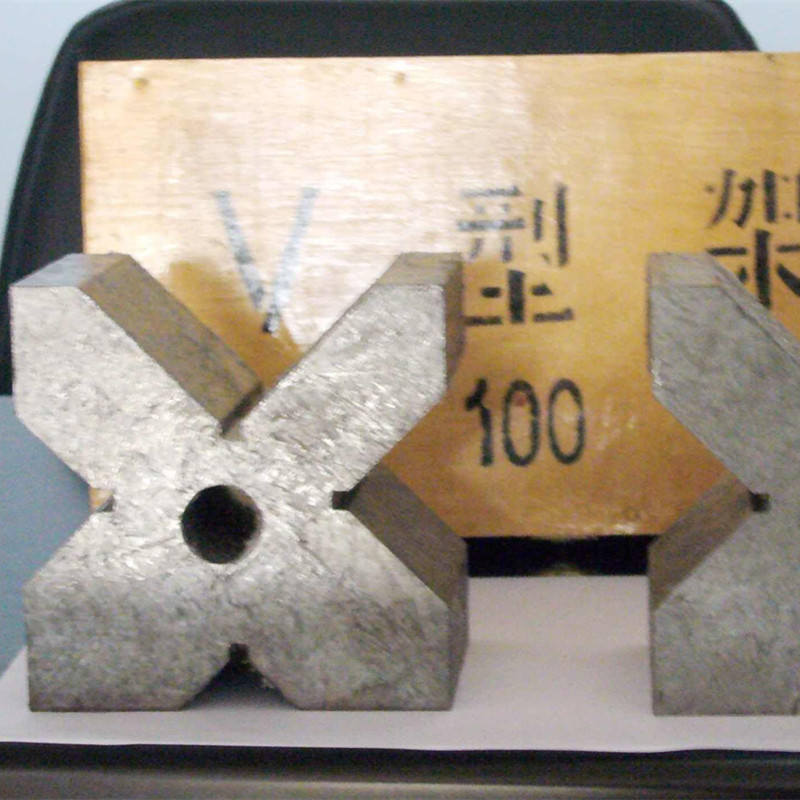
news and information
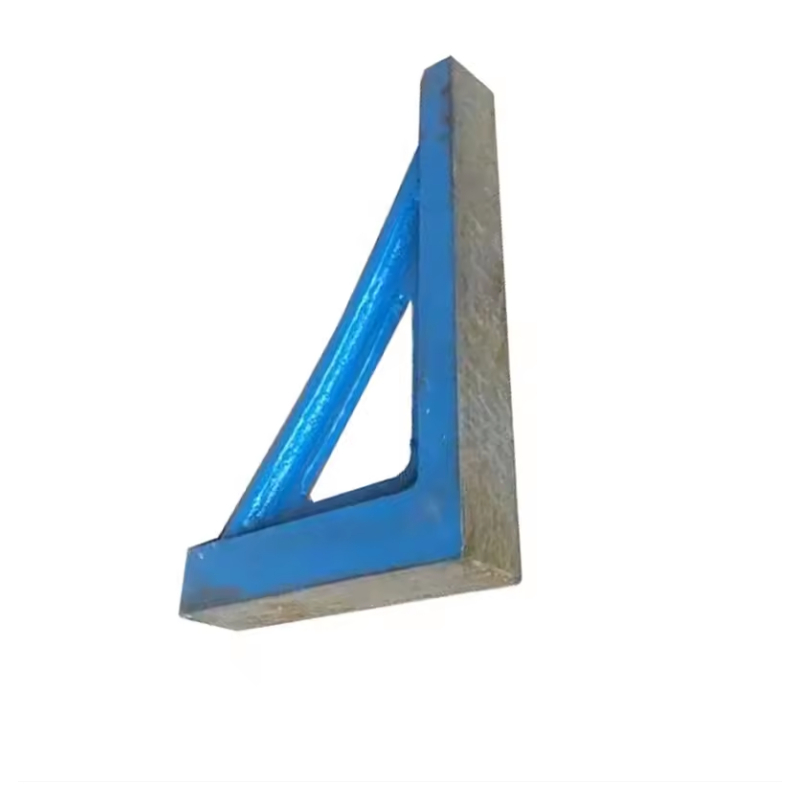
Versatile Granite Angle Plate for Precision Machining and Workholding Solutions
Understanding Granite Angle Plates A Key Tool for Precision Measurement In the realm of manufacturin
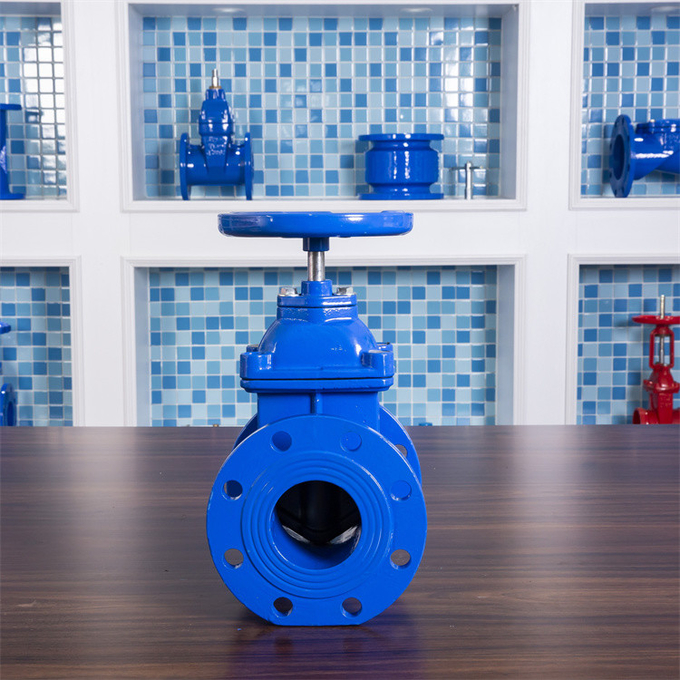
Vanne de retenue demi-pouce pour applications industrielles et domestiques.
La soupape de retenue à demi pouce un élément essentiel pour la plomberie La soupape de retenue, ég
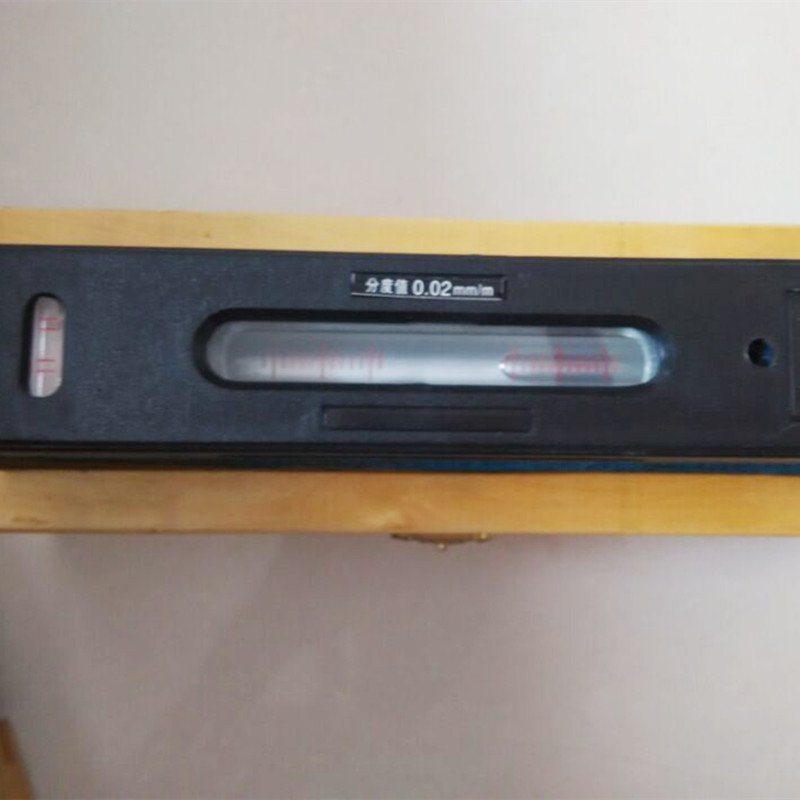
welded steel workbench
The Advantages of Using a Welded Steel Workbench In the realm of industrial workspaces, the signific
 English